Why Taking Away What Your Kid Loves Can Harm Their Motivation
When kids start to slip—maybe their grades dip or they stop showing effort at school—many parents quickly reach for the same lever: remove privileges, cut screen time, or worse, pull them from the one thing they’re passionate about. But while that might feel like an effective consequence, it’s usually the wrong move. Stripping a kid of something they care about doesn’t automatically spark motivation. In many cases, it actually dims it.
Rather than punishing disengagement, there’s another path—one that centers on identifying and nurturing what kids are naturally drawn to, also known as their strengths or “islands of competence.” These areas of interest, often overlooked, can be key drivers in helping them overcome challenges in other parts of life.
Focus on What’s Working
Parenting often comes with a heavy dose of pressure—academic success, social development, and future potential. It’s easy to zero in on weaknesses: the C in math, the messy room, the missed homework. But turning that focus inward, toward the things a kid actually enjoys and excels in, helps shift the energy in a more productive direction.
Kids are more likely to bounce back when they feel confident somewhere. That might be on the field, behind a drum set, or even in a quiet role helping out at home. These strengths aren’t just hobbies—they’re anchors.
“Islands of Competence”
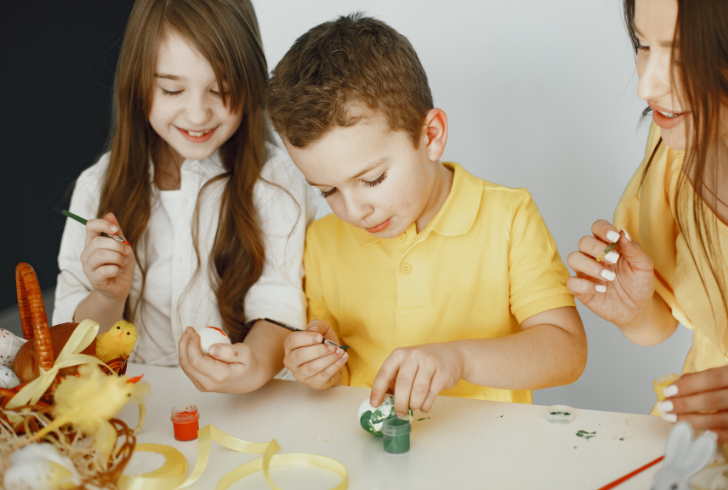
Freepik | prostooleh | “Islands of competence” is Robert Brooks’ term for a kid’s inherent strengths.
Coined by psychologist Robert Brooks, “islands of competence” refer to the skills, interests, or talents a kid already possesses. Every child has them, though they don’t always see them as valuable. It could be how they help calm a younger sibling, how they organize their favorite game collections, or how they light up when drawing or coding.
When parents and educators identify these islands, they offer kids solid ground—something they can stand on when other things feel shaky. Over time, that confidence grows and spreads into other areas of life.
Why Removing Joy Backfires
Kids often pour themselves into a sport, club, or creative pursuit not because they’re trying to “achieve,” but because it gives them meaning. Taking that away in response to poor performance somewhere else doesn’t increase focus—it usually adds stress. It signals that their efforts, no matter how consistent, are disposable.
In fact, research shows that strength-based parenting—supporting and encouraging a kid’s existing talents—leads to better school engagement, less stress, and stronger resilience.
How to Support Your Kid’s Strengths
1. Spot the Spark
Watch where your kid naturally puts energy.
Look beyond traditional “skills” and ask questions like:
“When do you feel most confident?”
“What do you lose track of time doing?”
Even time on YouTube or video games might hold clues. Is your kid building something? Editing content? Learning tactics? Interests often point toward hidden abilities.
2. Say It Out Loud
Kids often undervalue what comes easily to them. Naming those strengths helps. “You’re great at calming others down” or “You’ve got a real eye for color” can shift how they see themselves. These small affirmations add up and stick.
3. Encourage Growth Without Pressure
Support doesn’t mean scheduling every minute with structured learning. Sometimes, the best growth comes from letting kids explore freely. Whether it’s a summer camp, robotics club, or weekend tinkering in the garage, the key is to make room for curiosity, not force it.
4. Use Strengths to Tackle Weak Spots
When confidence is strong in one area, it can bridge gaps elsewhere. A kid who’s great with people but struggles with organization might lead a group project while getting help from peers for timelines. Skills are connected—strengths can become tools to manage challenges.
Rewrite the Story You Tell at Home

Freepik | Family conversations determine a child’s self-perception, either reinforcing flaws or building potential.
How families talk about each other has power. If kids always hear they’re “bad at math” or “lazy with chores,” they start believing it. But if the household talk shifts to things like “you’re someone who really sticks with things when they care,” it builds an identity rooted in potential, not shortcomings.
This doesn’t mean giving empty praise. Kids recognize sincerity. Instead, be specific and truthful. Praise their ability to bounce back after a mistake or their dedication to a task they enjoy.
Strength Grows When It’s Fed
Every kid needs something to hold onto—something that says, “This is what I’m good at.” When that part of their life is honored instead of taken away, it strengthens their ability to push through what’s hard. And while it’s tempting to control outcomes by using restrictions, long-term growth happens through support, recognition, and encouragement.
So, before removing what matters most to your kid, consider this: what if that one thing is the reason they keep trying in the first place?