How a DIY Project Became a $455K Business – The Handy Famm Story
When Josh White took his daughter to Home Depot in 2018, the goal was simple—find a small hammer to help her learn deck repairs. But the trip ended without a solution. None of the tools fit her hands, and that sparked an idea.
Instead of settling, White, who already ran a design agency called OffWhite Co. in Florida, went home and started sketching. That one trip turned into something much bigger: a family-friendly tool brand called Handy Famm, which pulled in $455,000 in sales last year.
From Prototypes to a Full-Blown Hustle
White didn’t just stop at drawings. He 3D-printed prototypes, found a manufacturer in China, and launched his first product—a bird-shaped tape measure with quirky, kid-friendly features—on Amazon in late 2019. This wasn’t some hobby project.
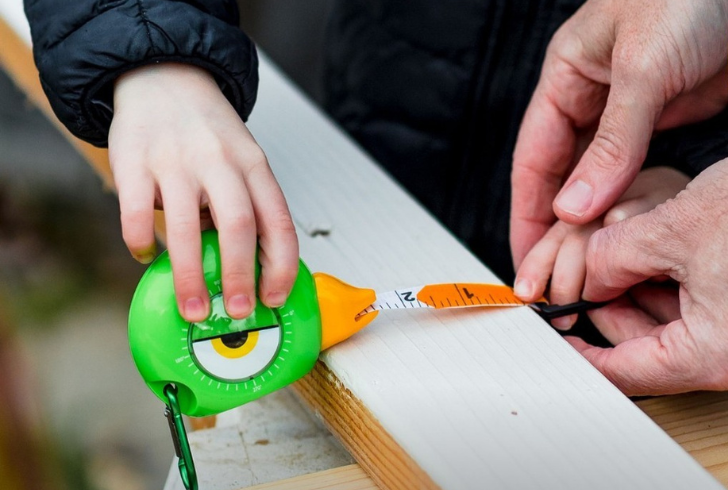
Instagram | handyfamm | White works full-time on Handy Famm, driving its growth towards profitability.
As sales picked up, the side hustle became a real business. He added new products like giraffe hammers and hippo wrenches, brought on a small team (some from his own agency), and began selling online and in retail stores, including Home Depot.
Now, Handy Famm is nearing profitability, and White works full-time to keep it growing. Though he still draws a paycheck from OffWhite, Handy Famm is no longer just a weekend project—it’s a serious operation demanding 40 hours a week.
Why This Hustle Took Off
While White had the edge of experience—he’d previously worked with brands like AeroPress and Cabbage Patch Kids—he insists it wasn’t luck. “You don’t need a deep industry network to build something meaningful,” he says. “You just need clear motivation and a sharp vision. That’s the foundation.”
Of course, having some creative muscle and understanding the production process didn’t hurt. White already owned modeling equipment and had relationships with overseas manufacturers. This cut out years of trial and error and thousands in development costs. But for those without that background, the basics still apply.
“If you’ve spotted a problem and have a strong idea for the fix, you’re already halfway there. But you’ve got to be the one steering the vision—don’t expect factories to figure it out for you,” White advises.
The Real Lessons

Instagram | handyfamm | The Handy Famm story highlights that successful hustling means embracing adaptability.
Success didn’t happen without setbacks. White remembers sending a design for an airplane-shaped organizer to a factory, only for it to return looking like a flat gray pancake. He learned fast: sketching isn’t enough. He started modeling in clay to create more accurate visuals and eventually hired people for more refined designs.
This commitment to refining the creative process goes against the often-repeated advice of quickly launching a “minimum viable product.” White believes in being prepared. “You can’t wait until everything’s perfect, but you should never rush the creative part. The upfront work saves headaches down the line.”
He also recalls how parents flagged early issues, like kids pulling the tape too far and breaking the product. This meant that the design had to be reworked. In another case, a hammer prototype was too heavy. Each misstep turned into a lesson that made the product line stronger.
“Mistakes are part of the deal,” he says. “I see them as tuition—my own version of Harvard. You’re going to pay in time or money, sometimes both, but the lesson sticks.”
Turning a Hustle Into Long-Term Value
The Handy Famm story shows that a hustle isn’t about having all the answers—it’s about staying adaptable, paying attention to the details, and staying committed even when things go wrong. With the right mindset, even a missing hammer can lead to something powerful.
This isn’t just a success story—it’s a reminder that not every hustle needs to start with a big budget or connections. The real investment is time, effort, and motivation. That’s what turned a trip to the hardware store into a six-figure business. And it’s what can power the next idea, too.