Out-of-Body Experiences Aren’t Just Spiritual—They’re Scientific Too
Most people go about their day grounded in their bodies—eyes front, feet on the floor, and a consistent sense of “me” behind the wheel. But for some, that connection temporarily unhooks. These individuals report hovering above themselves, looking down at their own body, detached yet fully aware.
This strange and vivid occurrence is known as an out-of-body experience (OBE)—a phenomenon that has long captivated neurologists, psychologists, and researchers alike.
What Is an OBE and Who’s Having Them?
An OBE isn’t just dream-like imagery—it’s a conscious experience where people describe leaving their physical body and observing the world from a different vantage point. These moments can feel oddly real and often occur during sleep, trauma, extreme stress, or deep meditation. Surprisingly, research suggests between 5% and 20% of adults worldwide have experienced at least one OBE in their lifetime.
Where do they happen? Everywhere. From emergency rooms to quiet bedrooms, in high-stress flight simulators, and even in experimental neuroscience labs where electrical stimulation of the temporoparietal junction—the brain region that handles body awareness—can recreate the effect.
How OBEs May Work
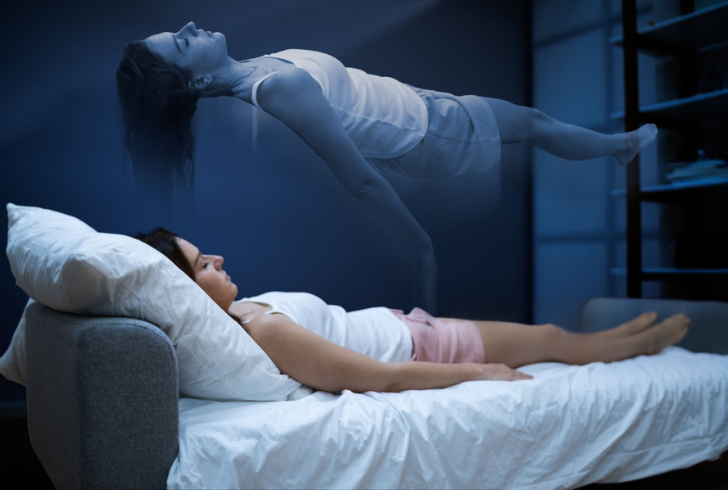
Freepik | Many OBEs occur when the temporoparietal junction, the brain’s sensory hub, malfunctions.
At the core of many OBEs is a disconnect in sensory processing. The temporoparietal junction acts like the brain’s internal traffic controller, helping to merge visual input, body position, and movement.
When those systems clash—due to neurological stress, oxygen deprivation, or high emotional strain—the brain may shift into a dissociative state, causing the self to feel separated from the body.
Some key contributors include:
– High G-force pressure on fighter pilots
– Neurological stimulation near the right ear
– Meditation, trauma, or substances affecting perception
The detachment often feels calm, silent, and emotionally neutral, despite the surreal nature of the event. And in some cases, even heart rate monitors show drops during an OBE, suggesting a calming physiological reflex.
What the Latest Survey Tells Us
A new survey conducted by the University of Virginia’s School of Medicine adds significant insight into these experiences. Over 500 adults who had experienced an OBE were asked about their background, mental health, and context of the experience. The findings reveal patterns that go beyond simple curiosity or random brain glitches.
Key survey results:
1. Most participants had between 1 and 4 OBEs; a smaller group reported more frequent episodes
2. Around 72% described their first OBE as spontaneous
3. 8.2% credited meditation or visualization, while 9% linked it to psychoactive substances
4. Only a tiny fraction—0.7%—associated their experience with hypnosis
Interestingly, many people reported their first OBE during childhood, often following early-life medical trauma or emotional stress.
The Mental Health Link
The research found a strong connection between OBEs and past trauma or mental health challenges. Many respondents had experienced abuse, medical emergencies, or intense stress before their first OBE. The data also revealed that people who had OBEs were more likely to have been diagnosed with psychological conditions compared to those who hadn’t.
Yet, instead of viewing OBEs as signs of illness, researchers suggest they might function as coping mechanisms—the brain’s unique response to intense emotional overload.
This new perspective urges therapists and clinicians to shift their approach. Rather than viewing OBEs as pathological, professionals are encouraged to listen to the emotional backdrop of the experience and consider how it may help individuals manage past trauma.
Surprising Benefits After an OBE
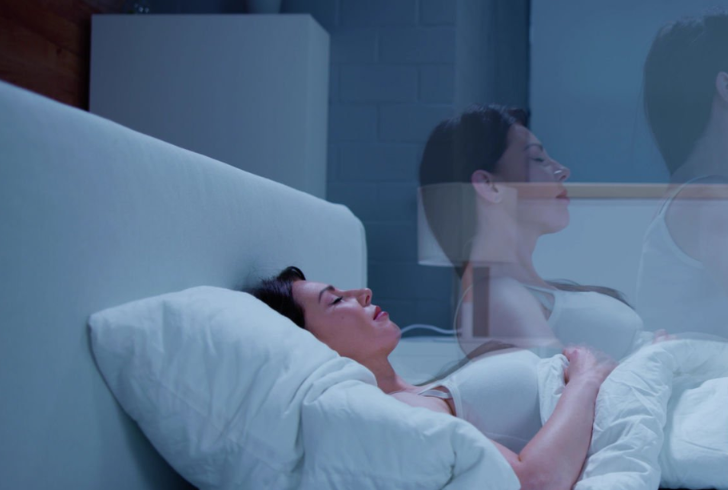
Freepik | Many find OBEs to be highly beneficial and even life-changing experiences.
Despite their unusual nature, many OBEs appear to leave a positive imprint. Over 70% of participants said they gained long-term benefits, with 40% calling the event life-changing.
People reported:
– Reduced fear of death
– Heightened emotional clarity
– A greater sense of peace and connection with others
These results echo previous research in hospital settings, where patients who experienced OBEs during surgeries later felt calmer and less fearful during recovery.
Some have even explored techniques—such as specific breathing patterns or sleep-state triggers—to intentionally induce OBEs for personal insight or emotional relief.
What Comes Next in OBE Research?
Future studies aim to take a closer look at the split-second sensory breakdown that leads to an OBE. Using motion-sensing beds and wearable brain scanners, scientists are working to understand the exact neural processes that allow the mind to disassociate from the body.
There’s also growing interest in whether the cardiac patterns seen during OBEs—like sudden drops in heart rate—could hold clues for developing new ways to treat panic disorders or chronic pain.
And in therapy circles, some practitioners are already experimenting with guided imagery techniques to mimic the calming effects of OBEs without triggering distress. The hope is to help trauma survivors unlock emotional healing without overwhelming them.
Why This Matters
Rather than viewing OBEs as strange, mystical events—or worse, symptoms of instability—modern research highlights them as deeply human responses to complex emotional landscapes. Understanding the science and stories behind OBEs not only removes the stigma but may open new pathways in mental health care, trauma recovery, and stress management.
These experiences might not be about “leaving” the body at all. They may be about giving the mind a moment to reset—stepping back so that life, eventually, feels safe to step into again.