Are You Eating Too Much Salt? The Warning Signs
Salt is one of those kitchen staples that most people don’t think twice about—until their doctor brings it up. Found in everything from canned soups to breakfast cereals, salt sneaks into daily meals more than many realize. While it plays an important role in the body, too much of it can quietly disrupt key systems and create long-term health concerns.
And the tricky part? Most people have no idea how much salt they’re actually eating.
Why the Body Needs Some Salt
Salt isn’t the villain it’s often made out to be. It helps keep muscles and nerves functioning properly, maintains fluid balance, supports metabolism, and even plays a role in sweating. According to Dr. Columbus Batiste, cardiologist with Kaiser Permanente, it also provides electrolytes critical for nerve communication and muscle contractions.
Dr. Rohan Khera of Yale School of Medicine notes that every cell, especially those in the heart and muscles, depends on salt to function correctly. It’s a necessary part of life—but only in the right amount.
How Much Salt Is Enough?
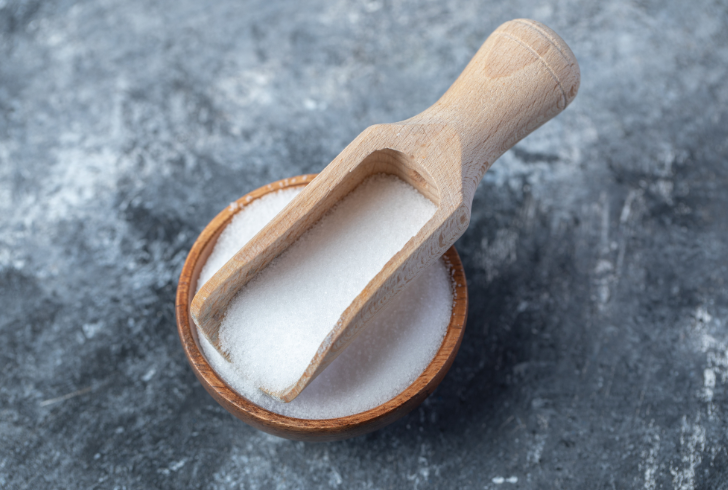
Freepik | azerbaijan_stockers | A healthy adult’s body needs under 500mg of sodium daily for balance.
The body doesn’t need much to stay balanced. Most healthy adults require just 500 milligrams of sodium daily—less than a quarter-teaspoon of salt. That amount helps support essential functions without pushing the body into overload.
But here’s the catch: The average American consumes roughly 3,500 milligrams per day. The American Heart Association advises capping intake at 2,300 milligrams, ideally aiming for 1,500. That’s about three-quarters of a teaspoon.
Dr. Nieca Goldberg of Atria New York emphasizes that a whopping 70% of this intake comes from processed and pre-packaged foods, not just from the salt shaker.
Too Much Salt
Overconsuming salt doesn’t just affect blood pressure—it can lead to much bigger problems:
1. Heart health: High salt levels are linked to hypertension, which raises the risk of heart attacks and strokes.
2. Kidney strain: Excess salt can damage kidney function, especially for those already at risk.
3. Other complications: Stomach cancer, osteoporosis, blood vessel damage, and fluid retention are all connected to high salt consumption.
Dr. John Higgins from UTHealth Houston adds that salt can interfere with hormone regulation, immune responses, and even gut health. It’s not just about avoiding bloating—long-term overuse can significantly affect overall wellness.
Who’s More Vulnerable to Salt?
Not everyone needs to panic about their salt intake. Those in generally good health and with normal blood pressure may not need to make major adjustments. However, individuals with conditions like high blood pressure, heart failure, kidney disease, or those recovering from heart attacks should take extra care.
Goldberg recommends under 2,000 milligrams per day for patients with heart failure and just 1,000 milligrams for those with a history of stroke or cardiac events.
Signs It’s Time to Cut Back on Salt
Not sure if you’re going overboard with salt? The signs can be easy to overlook but are worth paying attention to.
Feeling bloated often, noticing frequent spikes in blood pressure, experiencing an unquenchable thirst, or seeing puffiness in your fingers or around your eyes are all signals your body might be reacting to too much sodium.
If any of these symptoms ring a bell, it’s probably a good moment to start checking nutrition labels more closely and reassessing your everyday eating habits.
Simple Ways To Reduce Salt Intake
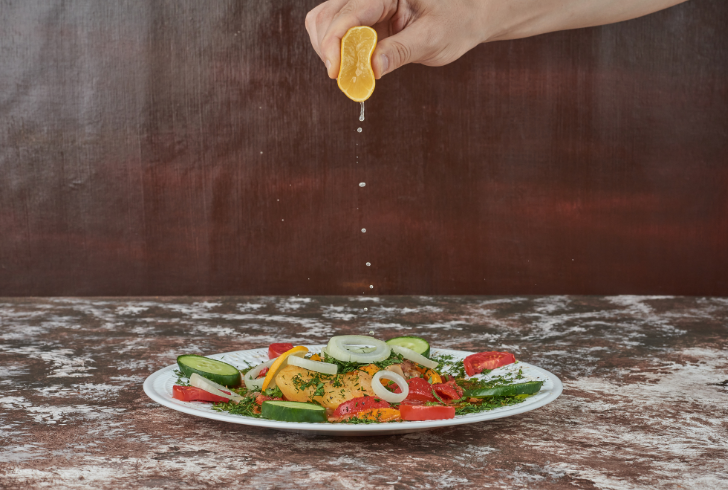
Freepik | Simple swaps like herbs, spices, lemon, or vinegar keep meals tasty while reducing salt.
Reducing salt doesn’t mean bland meals. A few easy swaps can make a big difference:
– Choose low-sodium versions of familiar foods.
– Switch to salt substitutes (like potassium-based alternatives).
– Add flavor with herbs, spices, lemon, or vinegar instead of salt.
– Eat more whole foods and fewer processed items.
– Load up on potassium-rich foods, which naturally help lower blood pressure—think bananas, spinach, sweet potatoes, tomatoes, and lentils.
When Adding Salt May Be Necessary
In some rare cases, people actually need more salt. Dr. Khera explains that individuals with certain medical conditions might be prescribed higher salt levels, but always under supervision:
1. Orthostatic hypotension – This condition causes a sudden drop in blood pressure when standing.
2. Athletes in hot climates – Heavy sweating can lead to salt depletion during intense physical activity.
3. Cystic fibrosis patients – Due to excessive salt loss through sweat, added salt is often recommended.
4. Addison’s disease – Affects adrenal function and often requires electrolyte balance adjustments.
5. Dialysis patients – In some cases, doctors may guide an increase in sodium based on treatment needs.
It’s important to note that any changes in salt intake, especially increases, should be carefully discussed with a healthcare provider.
What This All Means for Daily Life
Salt is essential, but the key lies in balance. It helps power your muscles, nerves, and cells, but too much can quietly raise health risks, especially for vulnerable individuals. The solution isn’t eliminating salt but becoming more mindful of where it hides and how it impacts the body.
Small shifts—like checking food labels or swapping out processed snacks—can go a long way. And if you’re unsure about your personal needs, a conversation with your doctor is always the right move.